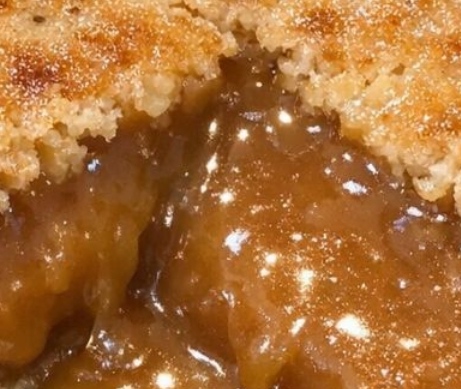
Great Aunt Mildred survived the hardest times with this 4 ingredient miracle. I finally learned her trick and now this humble bake is the star of ever

This 4-ingredient poor man’s caramel pie is the kind of make-do miracle my Great Aunt Mildred leaned on during the hardest times, when sugar was rationed and money was tight but company still came calling. She learned to coax deep caramel flavor out of nothing more than brown sugar, flour, and milk, poured into a simple pie crust and baked until the top turned a light, blistered brown and the filling set into a glossy, spoon-coating custard.

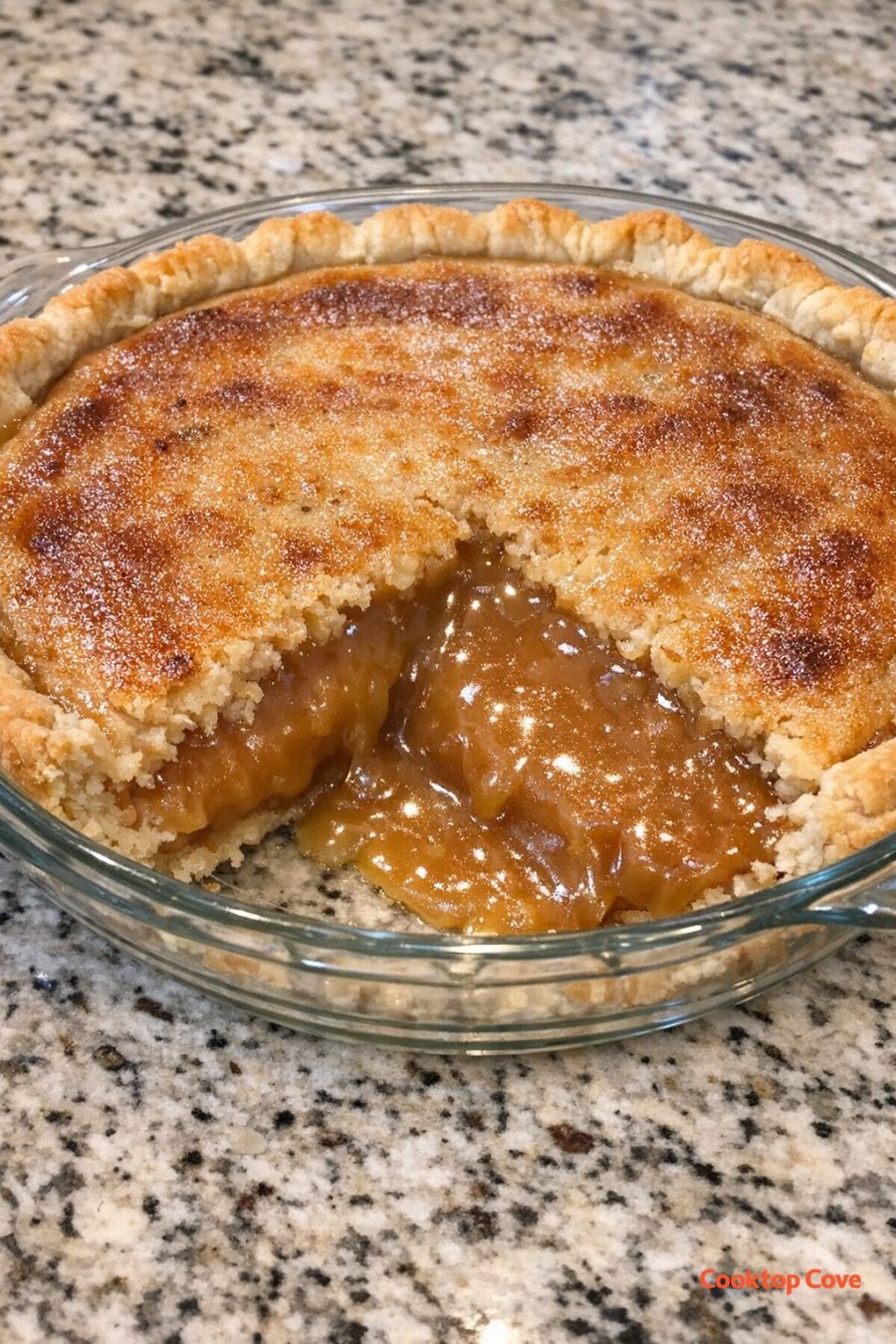
Old-fashioned caramel pie cooling on a speckled kitchen counter

These days, that same humble bake that once stretched a pantry is the star of our family cookouts, sitting proud in a glass pie plate on the speckled kitchen counter while everyone lines up for a slice of the past.

Serve this caramel pie cool or just slightly warm so the filling holds together but still feels silky. A small dollop of whipped cream or a scoop of vanilla ice cream is lovely but not required—the old-timers often served it plain with hot coffee.

It pairs nicely with simple summer cookout fare: grilled burgers, baked beans, and a big bowl of sliced garden tomatoes or sweet corn. For potlucks, cut it into smaller slivers so everyone can have a taste alongside fruit salad or a tart lemonade to balance the sweetness.

Slice of caramel pie served with coffee on a rustic table

4-Ingredient Poor Man’s Caramel Pie

Servings: 8
Ingredients
1 unbaked 9-inch pie crust (homemade or store-bought, fitted in a glass pie plate)
1 cup packed brown sugar (light or dark)
1/2 cup all-purpose flour
2 1/2 cups whole milk (or 2%, well-shaken)
Directions
Preheat your oven to 375°F (190°C). Place the glass pie plate with the unbaked pie crust on a sturdy baking sheet to catch any spills and make it easier to move in and out of the oven.
In a medium mixing bowl, whisk together the brown sugar and flour until there are no visible lumps of flour. This dry mixing step helps the flour blend smoothly into the milk and keeps the filling from getting clumpy.
Brown sugar and flour being whisked in a mixing bowl
Slowly pour in the milk while whisking constantly. Keep whisking until the mixture is smooth and the brown sugar is mostly dissolved. It will look thin at this point—that’s exactly how Aunt Mildred made it, letting the oven do the thickening work.
Give the pie crust a quick check to be sure it’s evenly pressed into the plate with no cracks. If you see any gaps, pinch them closed so the filling doesn’t leak underneath.
Carefully pour the brown sugar and milk mixture into the unbaked pie crust. The crust will be very full, so pour slowly and keep the baking sheet steady to avoid sloshing.
Caramel pie filling being poured into an unbaked crust
Transfer the baking sheet with the pie to the middle rack of the preheated oven. Bake at 375°F (190°C) for 15 minutes to give it a good start and help the top begin to set.
Without removing the pie, reduce the oven temperature to 325°F (165°C). Continue baking for 35 to 45 minutes, or until the pie has a lightly browned top, the edges are puffed, and the center looks mostly set but still has a gentle jiggle when you nudge the pan.
If the edges of the crust start to brown too quickly before the filling is set, loosely cover just the crust edge with strips of foil or a pie shield and continue baking until the filling is done.
Caramel pie baking in the oven with foil on the crust edge
When the pie looks set with a soft wobble in the very center, remove it from the oven and place the glass pie plate on a cooling rack or a folded kitchen towel on your speckled counter. The filling will continue to firm up as it cools.
Allow the pie to cool at room temperature for at least 2 to 3 hours, until the caramel filling is thick, glossy, and slices cleanly. For a firmer slice, chill it in the refrigerator for another 2 hours before cutting.
To serve, use a sharp knife to cut into wedges, wiping the blade between cuts if needed for neat slices. Slide a thin spatula underneath each piece to support the soft caramel filling as you lift it out of the glass pie plate.
Variations & Tips

For a slightly richer pie, you can use evaporated milk or a mix of whole milk and a splash of cream, though Aunt Mildred usually relied on whatever milk was on hand from the farm. If you like a deeper caramel flavor, use dark brown sugar instead of light, or bake the pie closer to the longer end of the time range to encourage more browning on top. A pinch of salt (about 1/4 teaspoon) whisked into the brown sugar and flour will give you a gentle salted-caramel note without changing the spirit of the original recipe.

Neatly sliced caramel pie showing its glossy filling

If you prefer a sturdier filling, increase the flour to a very scant 2/3 cup, keeping the rest the same, and be sure to bake until the center is just set. For a bit of nostalgia, serve plain as written, but modern cooks sometimes add a light cloud of whipped cream or a sprinkle of flaky salt on each slice.

Food safety tips: Always bake the pie until the filling reaches a safe temperature; the milk and flour mixture should be fully heated through and thickened, with no raw flour taste. Let the pie cool on the counter only until it reaches room temperature, then refrigerate if you are not serving within a couple of hours. Store leftovers covered in the refrigerator and enjoy within 3 to 4 days. Do not leave the milk-based pie at room temperature for more than 2 hours, especially in warm weather at cookouts. When reheating individual slices, warm them gently in a low oven or briefly in the microwave, and avoid overheating so the filling does not break or weep.

Leave a Reply

Your email address will not be published. Required fields are marked *